Exfoliation (2)
Previous PagePros and Cons
The benefits of exfoliation are fairly self-explanatory, since keeping dead skin cells removed allows the newer, fresher skin cells to be visible. This results in fresher, plumper and healthier-looking skin. Keeping the skin exfoliated also helps your skin care routine be more effective, as it allows those products that are intended to be absorbed by the skin – moisturizers and vitamin complexes – do so better. (We already established that the skin’s purpose is partially to be watertight and excess dead skin can prevent desired solutions from absorbing.)
Exfoliation also helps prevent blemishes and clogged pores since excessive dead skin can be a cause of (or at least a contributor to) such problems.
Disadvantages to exfoliation often include the high price of prescription treatments in a Dermatologist’s office. Even the over-the-counter products available can be a strain on some budgets. Other cons to exfoliation include the potential for improper application or over-treating the skin. It can become easy to irritate the skin and even damage it somewhat (though fortunately, your skin should tell you if you’re hurting it overmuch).
Homemade Solutions
Of course, there are simple, at-home recipes for exfoliating products that work really well and will help your skin look and feel soft and smooth. You just need to decide what path you want to take: chemical or mechanical?
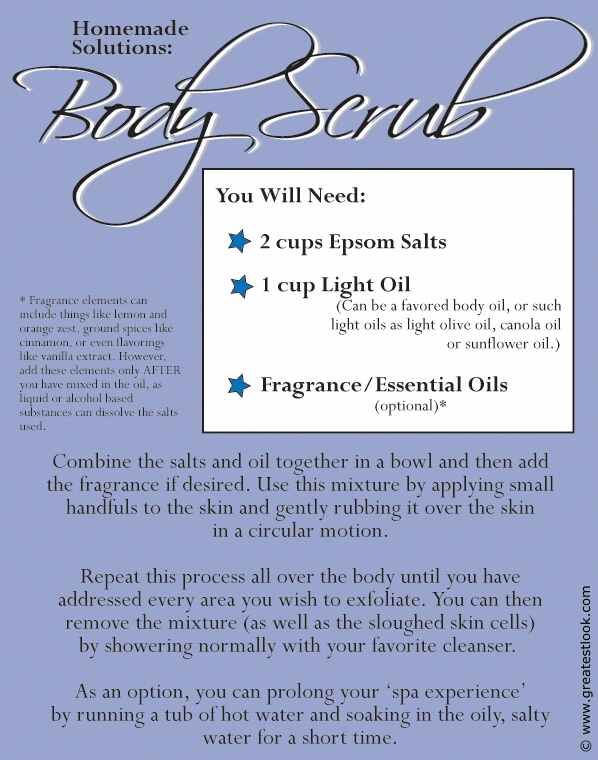
If you just love that tingly, fresh-scrubbed feeling, then try this simple recipe for a body scrub mix that you can use before a bath to exfoliate and soften the skin. You will need:
• 2 cups of Epsom Salts
• 1 cup of light oil
• Fragrance oil/essence (optional)
The Epsom salts are obviously the ‘scrubbing’ agent in this mixture and provide the mechanical exfoliation desired. And the oil should be something with which you are comfortable. Some people may want to use their favorite bath oil (or after-bath body oils, including baby oil) but other good choices include light olive oil, canola oil, and even sunflower oil. You can add fragrance oils as desired for a pleasing scent and aroma-therapeutic effect.
{Fragrance elements can include things like lemon and orange zest, ground spices like cinnamon, or even flavorings like vanilla extract. However, add these elements only AFTER you have mixed in the oil, as liquid or alcohol-based substances can dissolve the salts used, eliminating their “scrub” factor.}
Once you’ve mixed your body scrub, apply it to the skin and gently rub it all over the body, paying special attention to the troubles spots, like elbows, knees and feet. Allow the oil and salt mix to sit on the skin so that the skin has a chance to absorb the emollient and then you can either shower the mix away or run a tub of hot bath water and luxuriate further. Epsom salts are great for achy muscles and hot water will help the oil soften dry skin and leave the skin feeling silky and smooth.
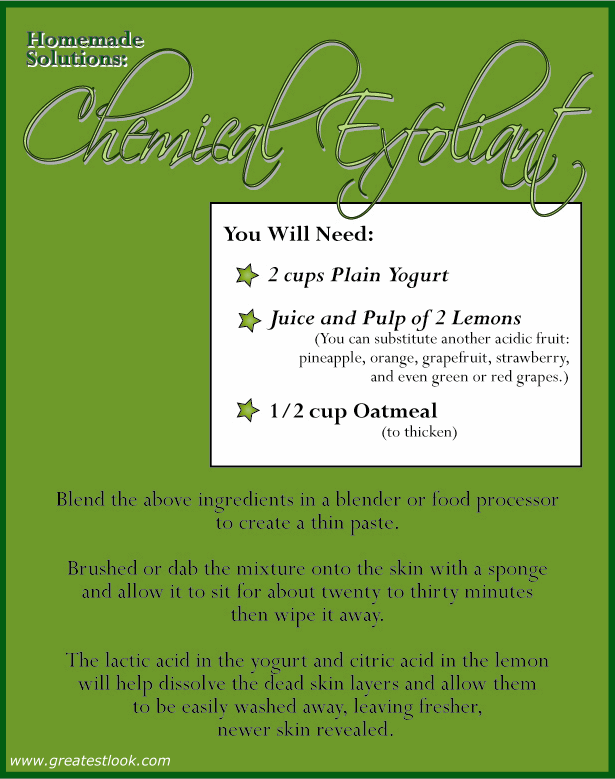
If you prefer a less labor-intensive process, you can try a homemade chemical exfoliation. To make this mixture, you need the following:
• 2 cups of plain yogurt
• Juice and pulp of 2 lemons
• ½ cup of oatmeal (to thicken)
Blend the above ingredients in a blender or food processor to create a thin paste. This can be brushed or dabbed onto the skin with a sponge and allowed to sit for about twenty to thirty minutes before being wiped away. The lactic acid in the yogurt and citric acid in the lemon should serve to help dissolve the dead skin layers and allow them to be more easily washed away, leaving fresher, newer skin revealed.
If you don’t like lemons, you can substitute another acidic fruit: pineapple, orange, grapefruit, strawberry, and even green or red grapes. Because of the acidity, be careful applying the mix around the eyes as it can cause irritation. After the mixture has had a chance to work, simply wipe off the excess and shower the residue away in your normal bathing routine.
©Greatestlook.com
Related Posts:
Easy at home facial
Keeping the skin healthy