Keeping the Skin Healthy
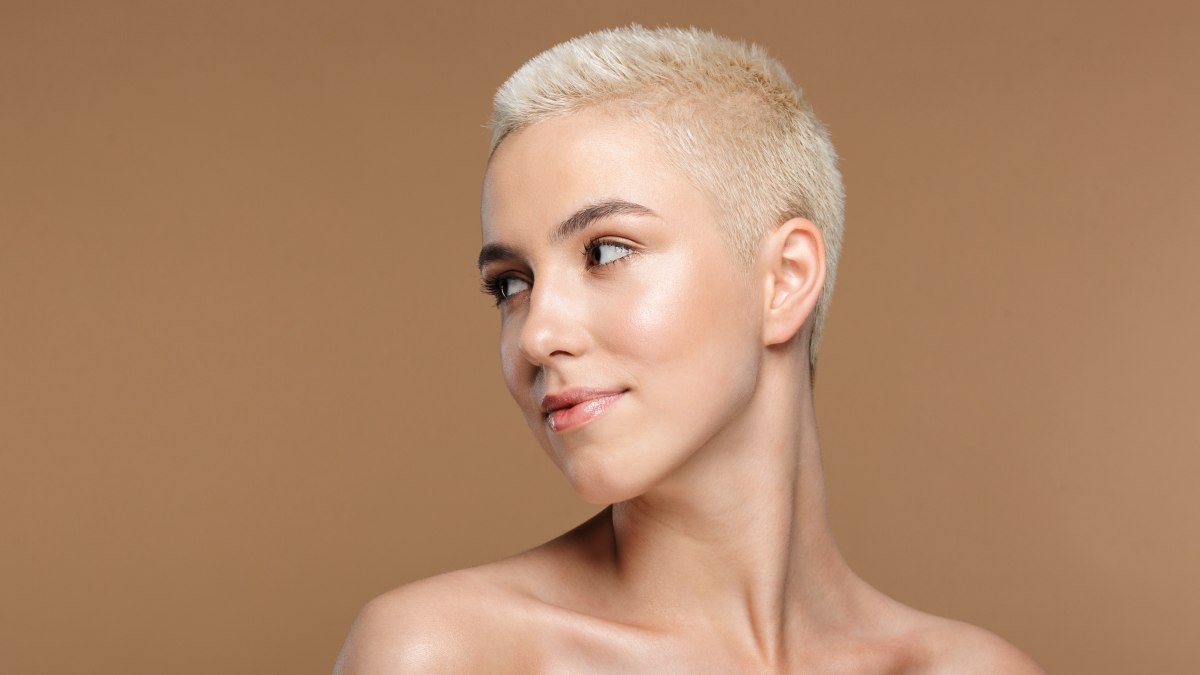
Everyone wants healthy skin, but few people know how to best achieve it. Healthy skin requires a healthy diet, proper cleansing and moisturizing, and good hydration. Here are some tips on maintaining healthy skin:
Diet:
The old phrase, "You are what you eat" is not technically accurate. It would be better to say, "You should eat what you are." I'm not advocating cannibalism, but pointing out that you've got to give the body the right building blocks to keep it healthy. This means a well-balanced diet that is high in protein, contains adequate carbohydrates to keep you energized, and controls the amount and types of fat you take in.
While there are dozens of vitamins that are necessary to maintaining general health, and you should get the recommended daily allowance of vitamins if you eat a proper diet, certain vitamins have specific benefits for the skin. These are:
Vitamin A: It supports the overall health of the skin by aiding in the function and repair of skin cells. It is an antioxidant that also helps to fight certain cancers, including skin cancer. It has also been shown to improve the skin's elasticity and thickness. Vitamin A is available in a topical acid form known as retinoic acid (Retin-A) that is useful in treating many forms of acne.
Vitamin C: This vitamin is also known as ascorbic acid and is important for the proper repair of the skin and certain tissues. Vitamin C helps in (and even speeds up) the healing processes of the body and is vitally important in fighting aging because it promotes the production of collagen, keeping the skin healthy and firm.
Vitamin D: Vitamin D promotes healthy, rapid healing of the skin. The best source of Vitamin D is sunlight (in controlled exposure). Because it helps to support the bone structure of the body, many foods are fortified with vitamin D (such as milk). It is also available in supplements.
Vitamin E: This vitamin is known as tocopherol and when used in conjunction with vitamin A helps to fight and protect the skin against the harmful effects of the sun. It also helps to heal damaged skin tissues when taken internally or externally. Vitamin E helps to heal structural damage to the skin such as severe burns and stretch marks.
Water:
Water is the single-most important nutrient for health. No living creature can survive without an adequate intake of water. 50 to 70 percent of an individual's body weight is water, and water is essential because it sustains the health of the cells, aids in eliminating toxins and waste, helps to regulate body temperature, and assists in digestive processes. All of these processes are important to healthy, vital skin.
How much water do you need? The old standard rules stated that each individual should drink 8 - 12 glasses (8-oz) of water each day, depending on who was asked. However, new studies have devised a more tailored formula for determining how much water an individual needs each day. The water requirement is based on an individual's body weight and level of physical activity. To figure out how much water you should drink in a day, use this formula:
Take your weight (in pounds) and divide by 2, then divide the result by 8. The result is the approximate number of 8-ounce glasses of water you should drink in any given day. If you perform intense physical activity in the course of your day, add 2 glasses to the final number to replace the amount of fluid you lose from perspiration.
(Example: April weighs 94 pounds, her boyfriend Mark weighs 195 pounds. According to the formula, April should drink 6 glasses of water per day [94 /2 = 47, /8 = 5.875 rounded up to 6]. On the other hand, Mark needs 14 glasses of water each day because he spends an hour each day working out and runs 3 miles a day [195 /2 = 97.5, /8 = 12.1875 rounded down to 12, plus 2 for physical activity].)
Your water intake should be spread out over the course of the day to ensure proper absorption. Overloading your body with water at the end of the day because you failed to drink the recommended amount during the day is less beneficial for the body, and may make you feel bloated and increase your need to go to the bathroom during the night.
Things to Avoid:
The following items may seem like common sense to many of us, in that they aren't great choices in the first place. However, few people realize the different ways these things affect the body, particularly the skin. If you are really interested in good-looking and healthy skin, then these are things you need to avoid:
Smoking and Tobacco products: Many people already see cigarettes, cigars, pipes and smokeless tobacco products as unattractive habits. Not only is tobacco use linked to cancer, but it has also been linked to premature aging and wrinkling of the skin. The nicotine in tobacco products causes contraction and weakening of the blood vessels and small capillaries, which supply blood to the tissues. The result is decreased circulation and oxygen deprivation. In addition to wrinkles, you may also develop a yellowish or grayish cast to the skin, and your skin can have a dull appearance.
Illegal drugs: The list of what are considered 'illegal drugs' is based on American laws, and therefore include substances like marijuana and hashish. Other such substances include, heroin, pcp, crystal meth, cocaine, and any other chemical substance used without the express prescription of a physician. These drugs have as serious an effect on the skin as tobacco. Use of these substances interferes with the body's oxygen intake, preventing healthy cell growth. Aside from yellowing and graying of the skin, some drugs can even aggravate serious skin conditions, like acne. Others can cause dryness and allergic reactions on the skin's surface.
Alcohol: The use of alcohol has an opposite, yet equally damaging effect on the skin. Heavy alcohol intake over-dilates the blood vessels and capillaries. Repeated over-dilation will cause the capillaries to burst causing a flushed appearance to the skin and red splotches in the whites of the eyes. Alcohol also dehydrates the skin by drawing water out of the tissues which causes the skin to appear dull and dry.
Giving careful consideration to what goes into your body is the best way to ensure a good, healthy appearance on the outside. Your skin is your first line of immunity defense, and an important factor in looking good. It is necessary that you give it the care and nourishment it needs to be healthy.
© Greatestlook.com
Photo: Dean Drobot/Shutterstock
Related Posts:
Anatomy of the skin
Skin, wrinkles and make-up